
Workout Tracking & Strength Progress Guides
Start with a clear workout log, learn what its numbers mean, or take an approved AI routine into the gym. Choose the guide that matches your next task.
Understand your workout progress
Read the overload guide first. Then choose PRs, e1RM or volume for the measure you want to understand. For a quick calculation, open the one-rep max calculator.
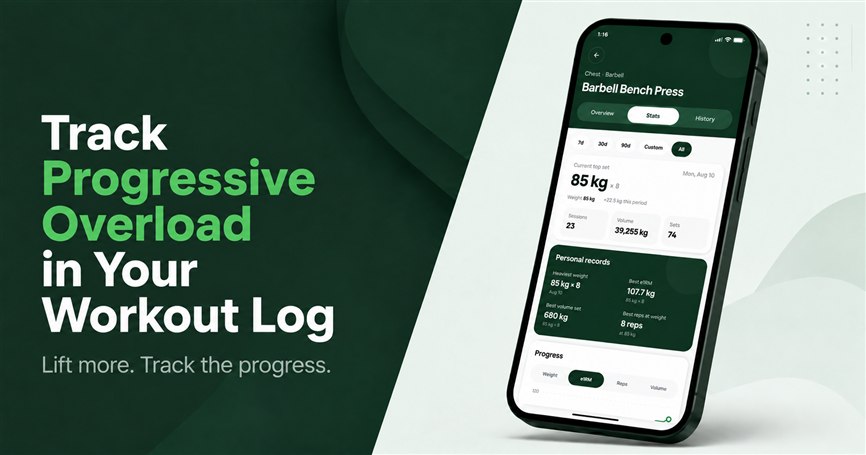
How to Track Progressive Overload
Start here: record comparable sessions and read a four-session log before changing your plan.
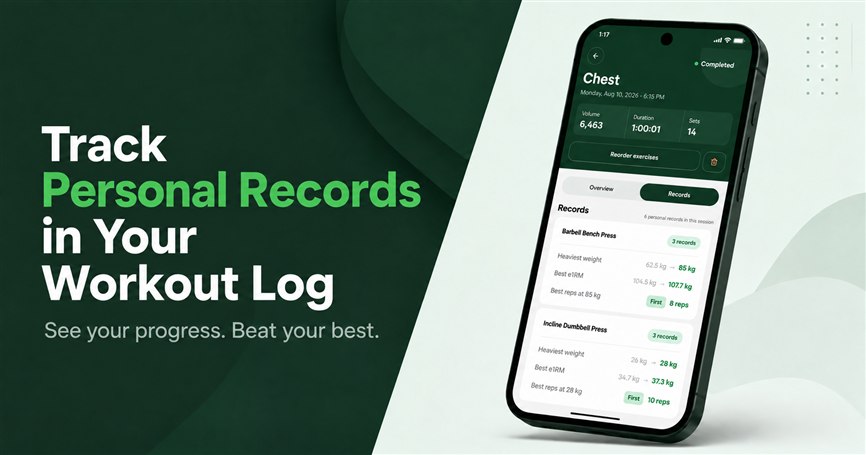
Weight, Rep and e1RM Personal Records
See what each PR means, compare example sets and understand records after a completed workout.
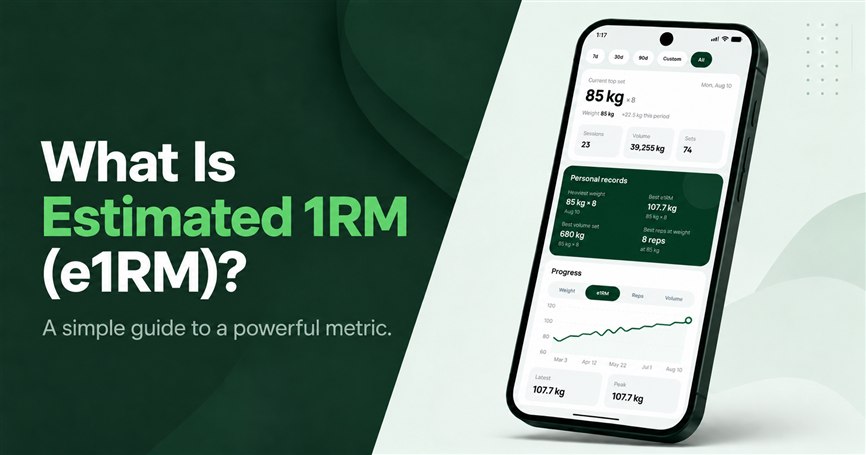
Estimated 1RM: Formula and Limits
Compare different weights and reps, work through the numbers and understand the estimate’s limits.
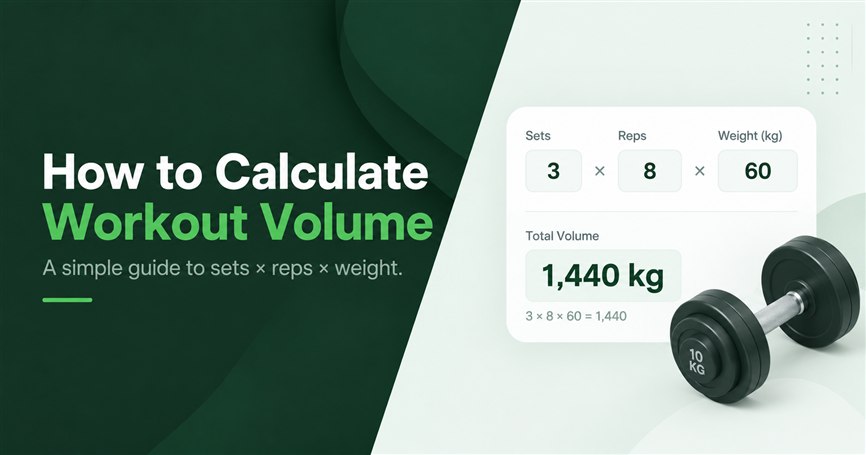
How to Calculate Workout Volume
Add weight × reps across sets and separate volume load from working-set count.
Plan and review with AI
Start with the plan walkthrough to build a routine, or choose your assistant to review an existing log. Connection details live in the setup guide.
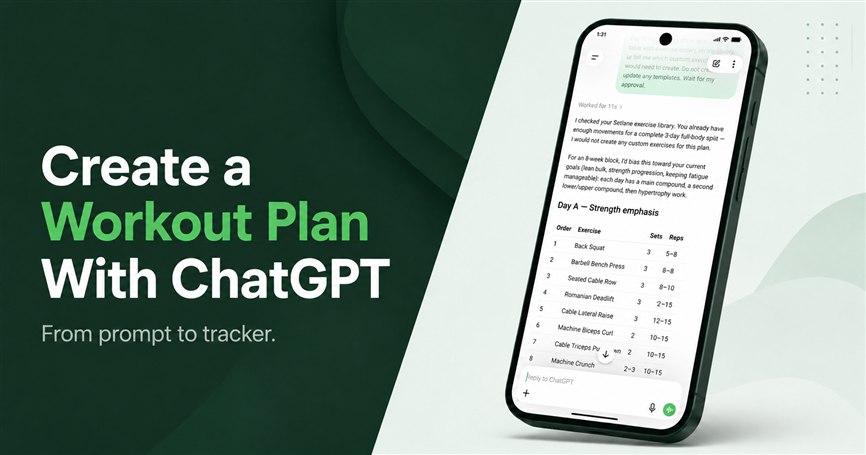
Create a ChatGPT Workout Plan and Save It
Draft a plan, review a real example and see exactly which routine fields are saved in Setlane.
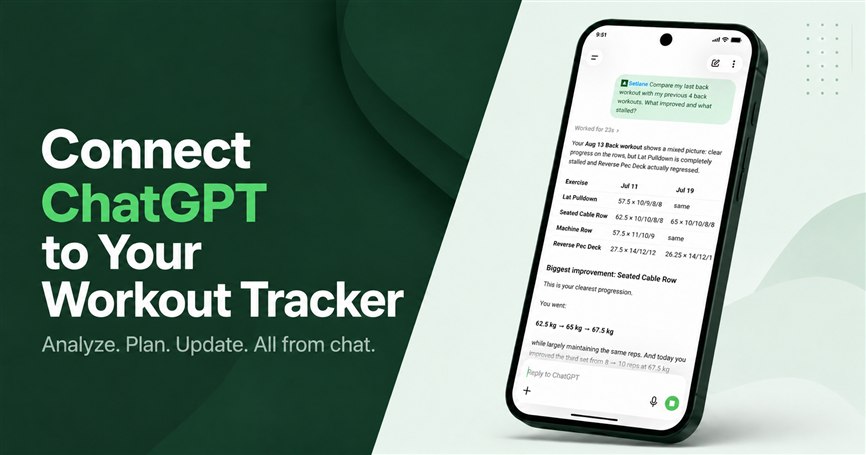
Review Your Log With ChatGPT
Compare training blocks and ask for the sessions behind the answer.
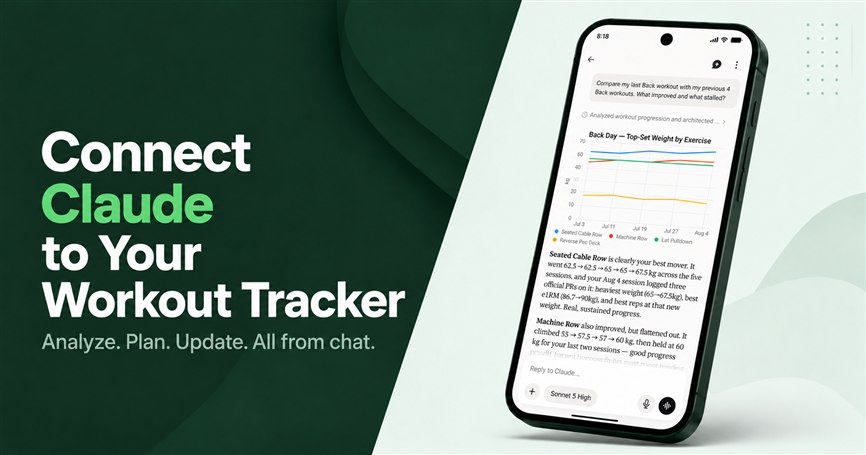
Review Your Log With Claude
Bring completed Back sessions into a review alongside your training notes.
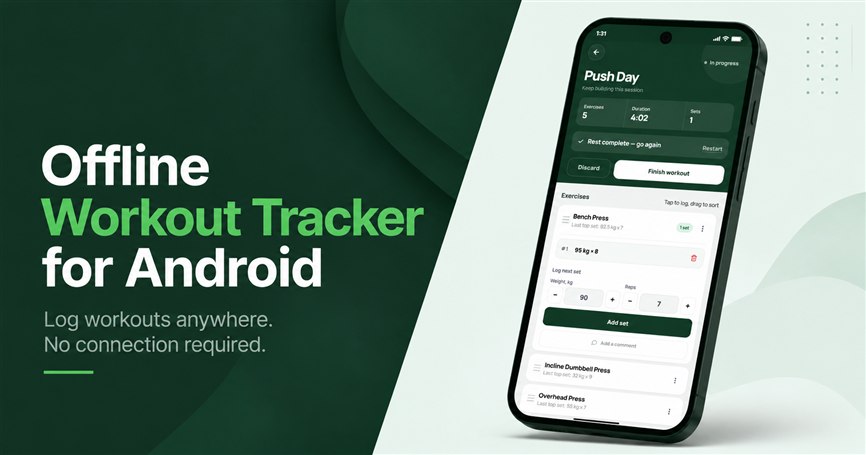
Log reliably on Android
Prepare before the gym, record your sets without a signal, then sync the completed session.
Compare workout trackers
Choose a workout log around your devices, training routine, AI workflow and budget.

Setlane vs Hevy: Which Workout Tracker Fits You?
Both apps log your lifting. The decision comes down to devices, free limits, how you use AI and what you want to pay. Here is where each fits.
5 Hevy Alternatives for Different Training Needs
Looking for an alternative to Hevy? Start with what you want to change: the price, your program, the logging experience or how you work with an AI assistant.